

How Can We Save the World from Wars?
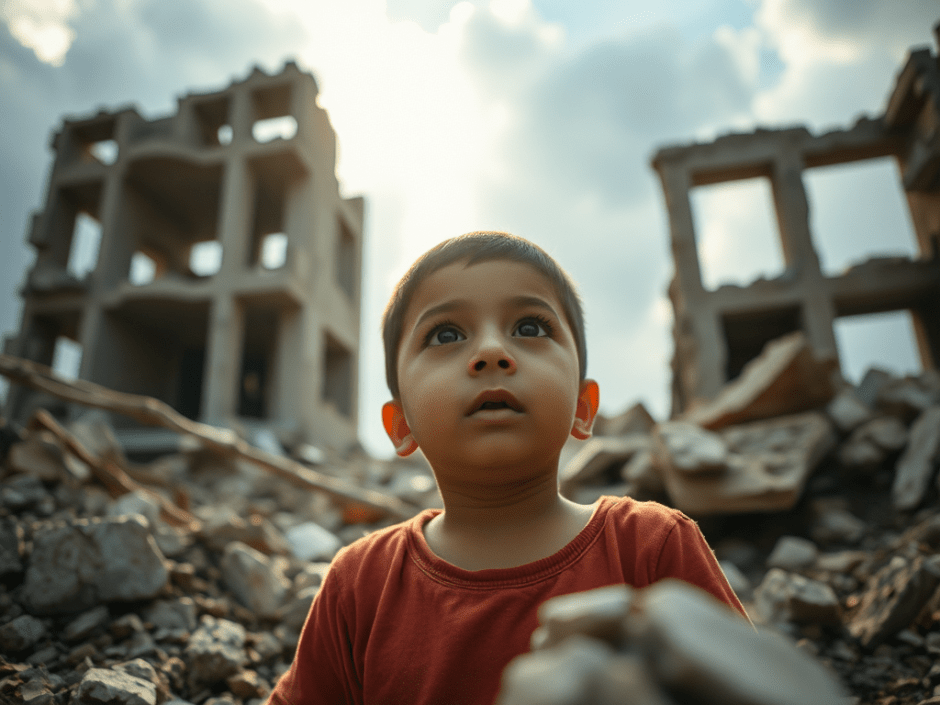
Wars are among the most destructive and painful events in human history. They cause the loss of millions of lives, tear communities apart, and devastate nature. While saving the world from wars is a grand and complex goal, one that each of us can contribute to, the path to peace can be built step by step. Here are some ways to end war and move toward a more peaceful world:
1. Promoting Peace Through Education
Education is the first step to building a peaceful society. The root of wars often lies in ignorance, prejudice, and misunderstandings.
- Peace education: Schools and communities should provide education on peace, human rights, equality, and empathy.
- Multiculturalism: Understanding different cultures and identities can help prevent wars. People should learn to accept differences and live together harmoniously.
2. Strengthening Diplomacy
Diplomacy is a vital tool in resolving conflicts in international relations. Resolving problems through diplomatic means can prevent wars.
- Peaceful negotiations: Dialogue and compromise should be encouraged as ways to resolve issues between conflicting parties.
- International cooperation: International organizations like the United Nations should take on more active and comprehensive roles in ensuring peace.
3. Respect for Justice and Human Rights
In societies where the sense of justice is undermined, the risk of war increases. Building a just and equal society is one of the most important preventers of war.
- Strengthening justice systems: Ensuring that everyone trusts the justice system and maintaining the rule of law is essential.
- Respect for human rights: Respecting the fundamental human rights of every individual is one of the most critical steps toward peace.
4. Fighting Economic Inequality
Wars often result from social unrest caused by economic inequalities. Ensuring fair distribution of wealth and equal opportunities can contribute to establishing peace.
- Reducing poverty: Global cooperation is needed to close socioeconomic gaps and spread prosperity.
- Fair distribution of resources: Proper management of natural resources plays a critical role in preventing wars.
5. Building a Culture That Rejects Violence
To maintain peace, societies must adopt a culture that rejects violence. Non-violent solutions enable conflicts to be resolved peacefully.
- Principle of non-violence: Following the example of leaders like Gandhi, it is important to make non-violent resistance a societal norm.
- Peaceful language in the media: The media should avoid war rhetoric and instead use language that promotes peace.
6. Social Dialogue and Empathy
Peace is built by creating bridges between communities. Fostering empathy and keeping dialogue channels open between different groups help prevent conflicts.
- Intercommunity dialogue: Regardless of religious, ethnic, or political differences, dialogue and understanding between people should be encouraged.
- Developing empathy: Understanding the pain and struggles of others contributes to addressing the root causes of war.
Conclusion
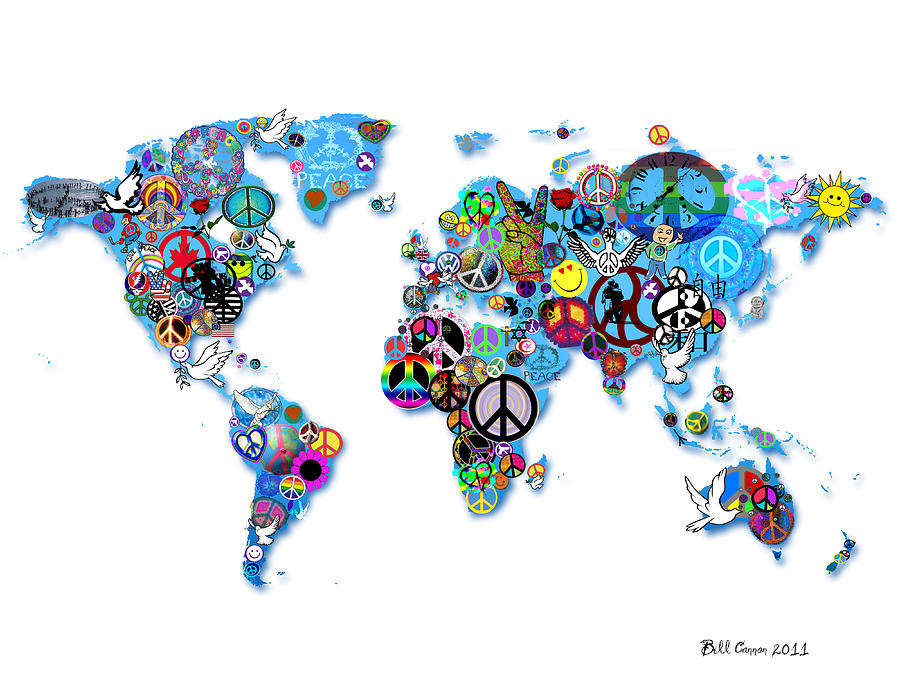
Saving the world from wars is possible through the collective efforts of individuals and societies. By promoting education, diplomacy, justice, economic equality, a culture of non-violence, and social dialogue, we can move toward peace. Peace is everyone’s right and responsibility. Together, through shared goals and actions, we can achieve a war-free future for the world.








 Uğurcan'ın Ütopyası